
Brochure Material Paper
Brochure Material Paper - Below we’ve compiled everything you need to know about making the best paper choice for brochures. Read on to determine what paper, weight, and finish are best for you! The types of paper for printing your brochure are also. Choosing the best paper for printing brochures depends on your specific needs, including the brochure's purpose, desired aesthetics, and budget. Which paper you use for your brochures has an impact on design, weight, the overall quality of the finished product and the most significant aspect: Typically, there are two types available. When you talk about brochure paper, you’re really talking about two things: Whether you’re producing marketing materials for a corporate event, a community gathering, or an artistic showcase, the right brochure paper can enhance your presentation. Learn which paper weight to choose and whether a gloss, matte or uncoated paper is the best choice. Generally, paper for brochures should be between 130 and 200 gsm, which is between copier paper and card stock. Generally, paper for brochures should be between 130 and 200 gsm, which is between copier paper and card stock. Flimsy paper doesn't seem professional, but you don't want to go too thick either. Choosing the right paper for brochures is essential for individuals and businesses looking to create visually appealing and engaging marketing materials. Choosing the right brochure paper is a critical aspect of creating effective marketing materials. However, a comprehensive understanding of paper weight, finish, and brochure size is essential to find the right paper for your brochure. Whether you opt for glossy,. Read on to determine what paper, weight, and finish are best for you! Choosing the best paper for printing brochures depends on your specific needs, including the brochure's purpose, desired aesthetics, and budget. It affects not just the look and feel of your brochures but also the. The paper you select will affect how your. Everything you need to know to choose paper for your printed brochure. Choosing the right paper is essential to create brochures that leave a lasting impact. Generally, paper for brochures should be between 130 and 200 gsm, which is between copier paper and card stock. Dive into our comprehensive guide, exploring paper types, finishes, and weights. Brochure materials are essential. Whether you opt for glossy,. Below we’ve compiled everything you need to know about making the best paper choice for brochures. The paper you select will affect how your. Dive into our comprehensive guide, exploring paper types, finishes, and weights. Choosing the right paper is essential to create brochures that leave a lasting impact. It affects not just the look and feel of your brochures but also the. The right paper can make or break the success of your printed marketing campaign. Brochure materials are essential for effective marketing strategies. Choosing the right brochure paper is a critical aspect of creating effective marketing materials. Discover the art of choosing the perfect paper for brochure. It affects not just the look and feel of your brochures but also the. Choosing the right paper for your brochure is essential as it directly impacts the quality and effectiveness of your marketing material. When you talk about brochure paper, you’re really talking about two things: The types of paper for printing your brochure are also. Below we’ve compiled. As we explored, paper type directly. The right paper can make or break the success of your printed marketing campaign. The paper on which your brochure is printed is very important as it speaks volumes once it is in the hands of your clients or customers. This article guides you on what paper is. Choosing the right paper for your. Everything you need to know to choose paper for your printed brochure. Learn which paper weight to choose and whether a gloss, matte or uncoated paper is the best choice. Choosing the right paper is essential to create brochures that leave a lasting impact. Flimsy paper doesn't seem professional, but you don't want to go too thick either. Brochure design. Everything you need to know to choose paper for your printed brochure. By considering factors like weight, finish, and sustainability, you can craft brochures. There are two types of brochure paper: This article guides you on what paper is. When you talk about brochure paper, you’re really talking about two things: By considering factors like weight, finish, and sustainability, you can craft brochures. Everything you need to know to choose paper for your printed brochure. The types of paper for printing your brochure are also. The paper you select will affect how your. Read on to determine what paper, weight, and finish are best for you! Choosing the right paper for brochures is essential for individuals and businesses looking to create visually appealing and engaging marketing materials. As we explored, paper type directly. Choosing the right paper is essential to create brochures that leave a lasting impact. Brochure design transforms basic information into compelling visual storytelling.it’s where print marketing materials meet strategic communication. The paper you. This article guides you on what paper is. Everything you need to know to choose paper for your printed brochure. If you’re wondering about the best type of paper for brochures, the easy answer is that most brochures will look and feel good when they’re printed on 100 lb silk text. Whether you opt for glossy,. Brochure materials are essential. Learn how to choose the perfect paper for your brochure and make a lasting impression with your marketing materials. The types of paper for printing your brochure are also. Whether you opt for glossy,. Choosing the right paper is essential to create brochures that leave a lasting impact. If you’re wondering about the best type of paper for brochures, the easy answer is that most brochures will look and feel good when they’re printed on 100 lb silk text. Generally, paper for brochures should be between 130 and 200 gsm, which is between copier paper and card stock. Typically, there are two types available. Learn which paper weight to choose and whether a gloss, matte or uncoated paper is the best choice. Choosing the right paper for brochures is essential for individuals and businesses looking to create visually appealing and engaging marketing materials. Brochure design transforms basic information into compelling visual storytelling.it’s where print marketing materials meet strategic communication. Discover the art of choosing the perfect paper for brochure printing! Whether you’re producing marketing materials for a corporate event, a community gathering, or an artistic showcase, the right brochure paper can enhance your presentation. When you talk about brochure paper, you’re really talking about two things: Everything you need to know to choose paper for your printed brochure. The right paper can make or break the success of your printed marketing campaign. Which paper you use for your brochures has an impact on design, weight, the overall quality of the finished product and the most significant aspect:
Abstract Colourful Brochure Material Design Paper Stock Vector (Royalty
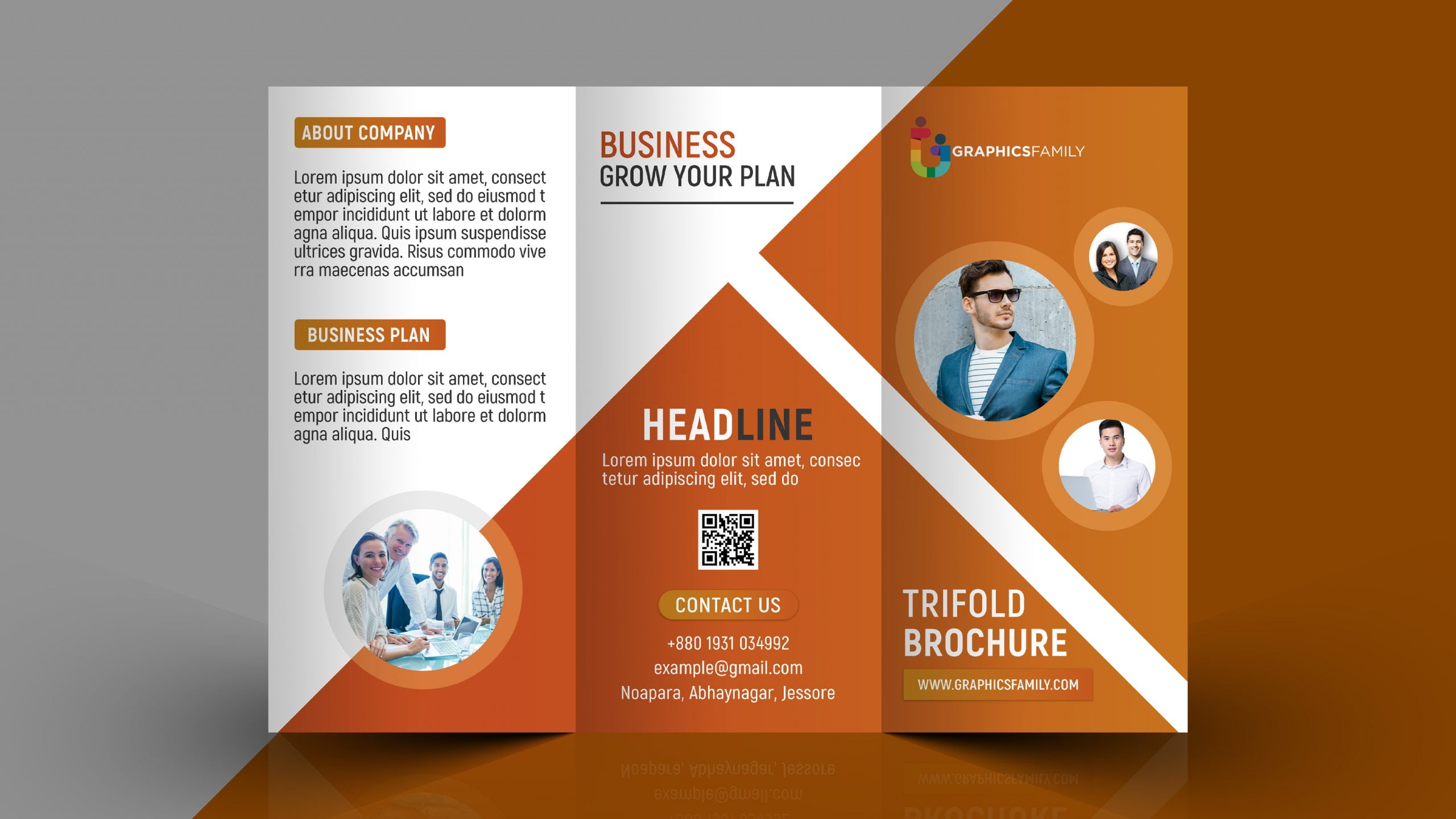
Professional Tri Fold Brochure Template GraphicsFamily
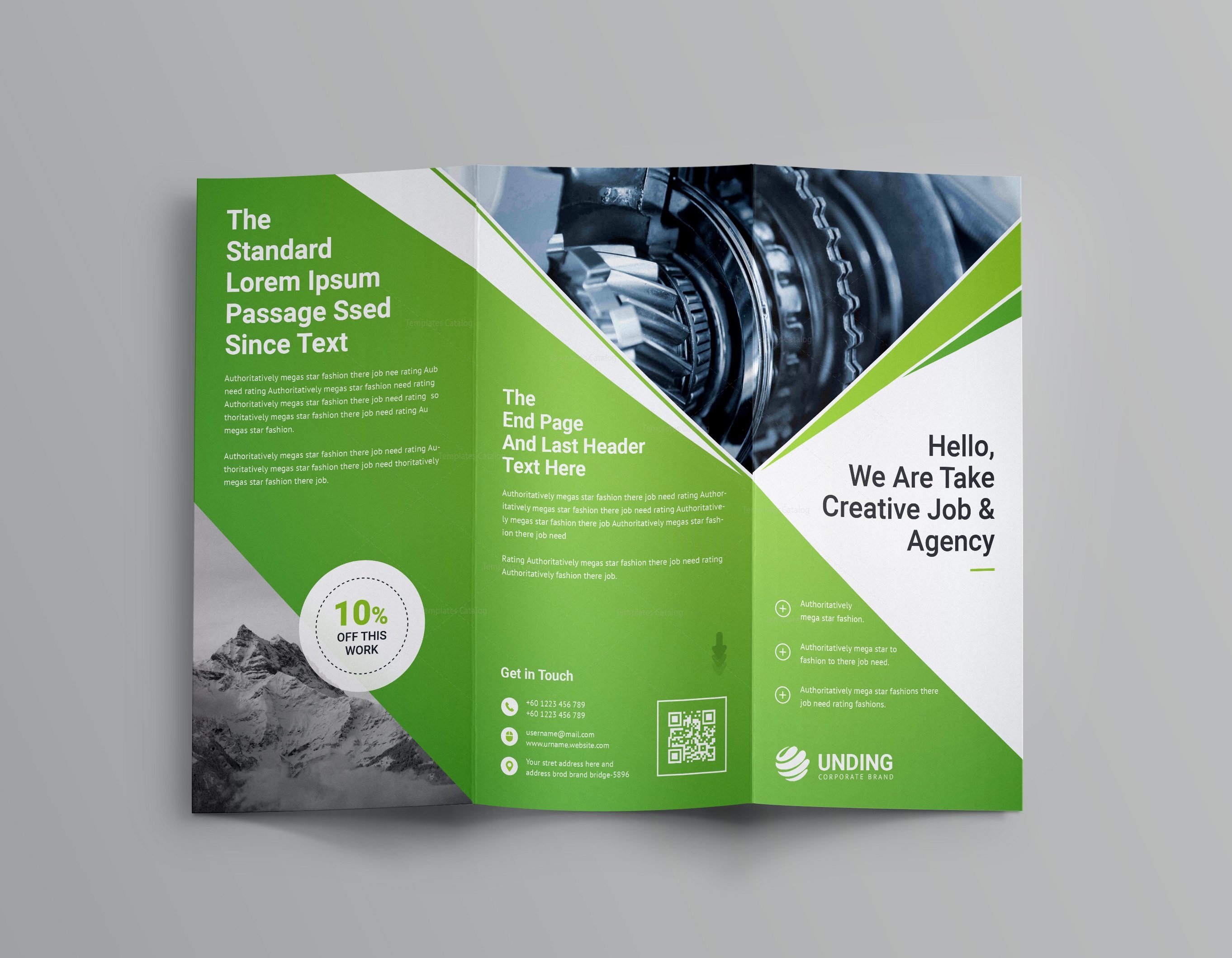
Pdf Brochure Examples at Leida Porter blog

35+ Marketing Brochure Examples, Tips and Templates Venngage
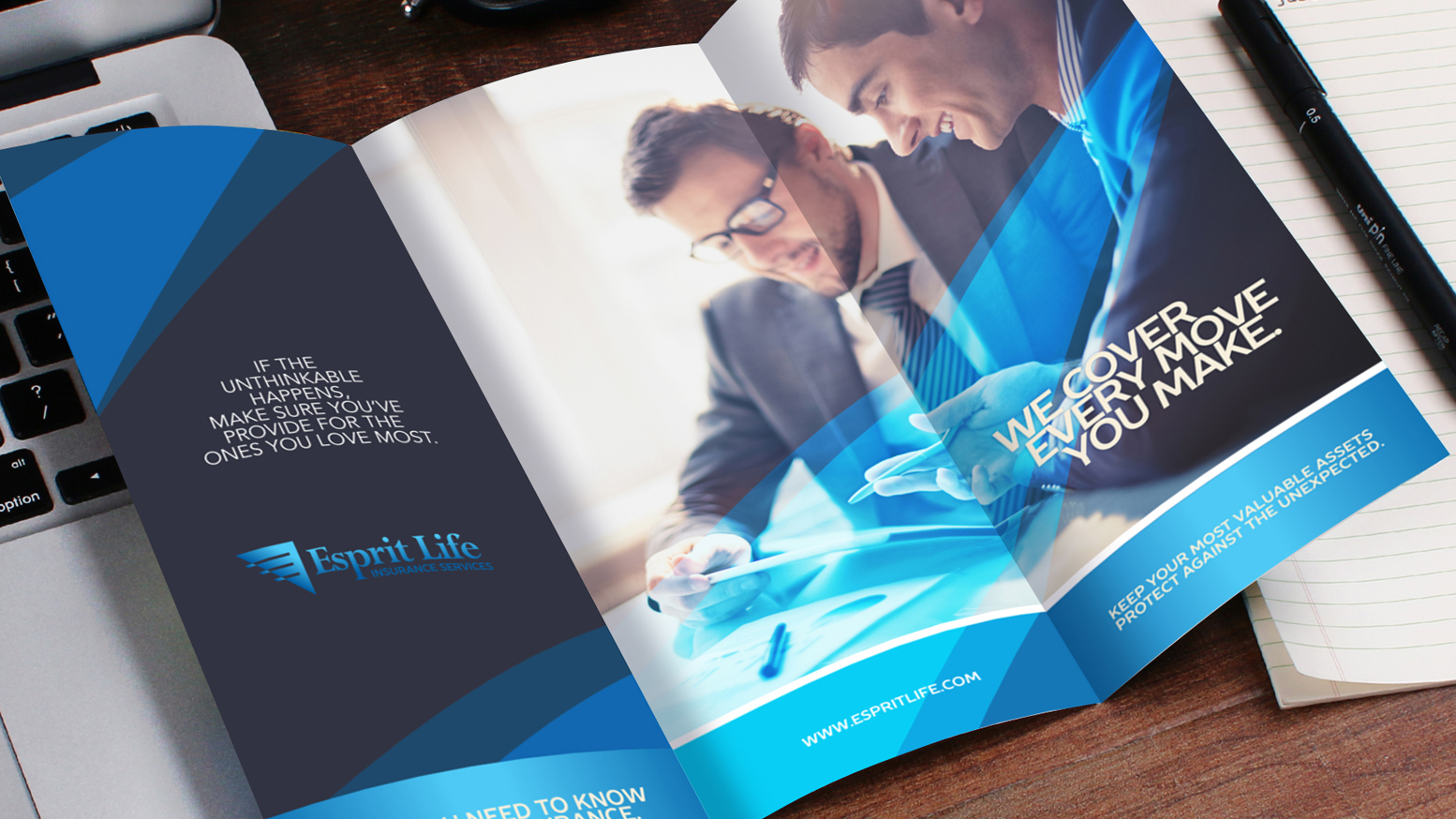
The Ultimate Brochure Paper Guide Confusing Terms Explained
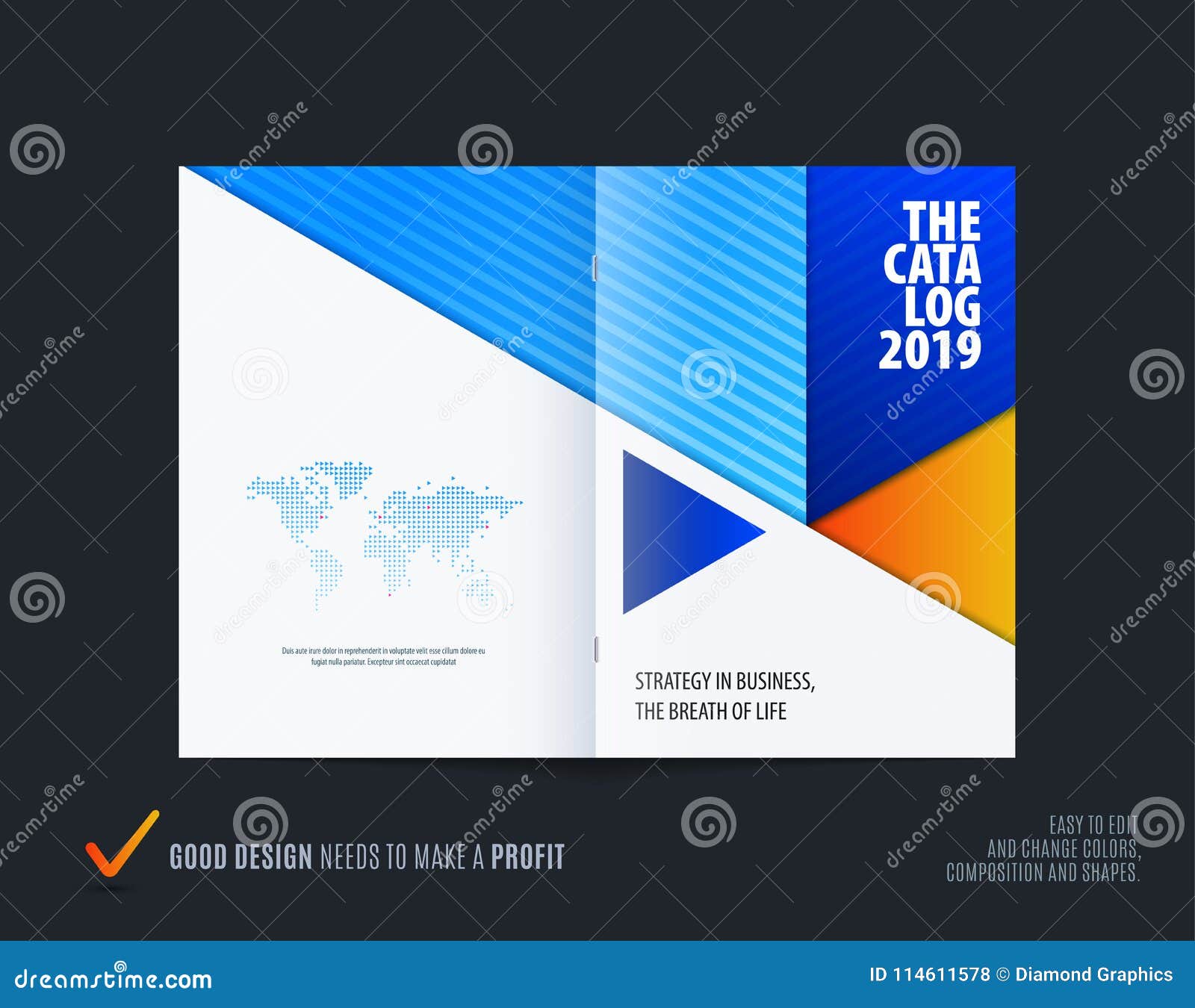
Abstract Colourful Blue Brochure in Material Design Paper Cut Style
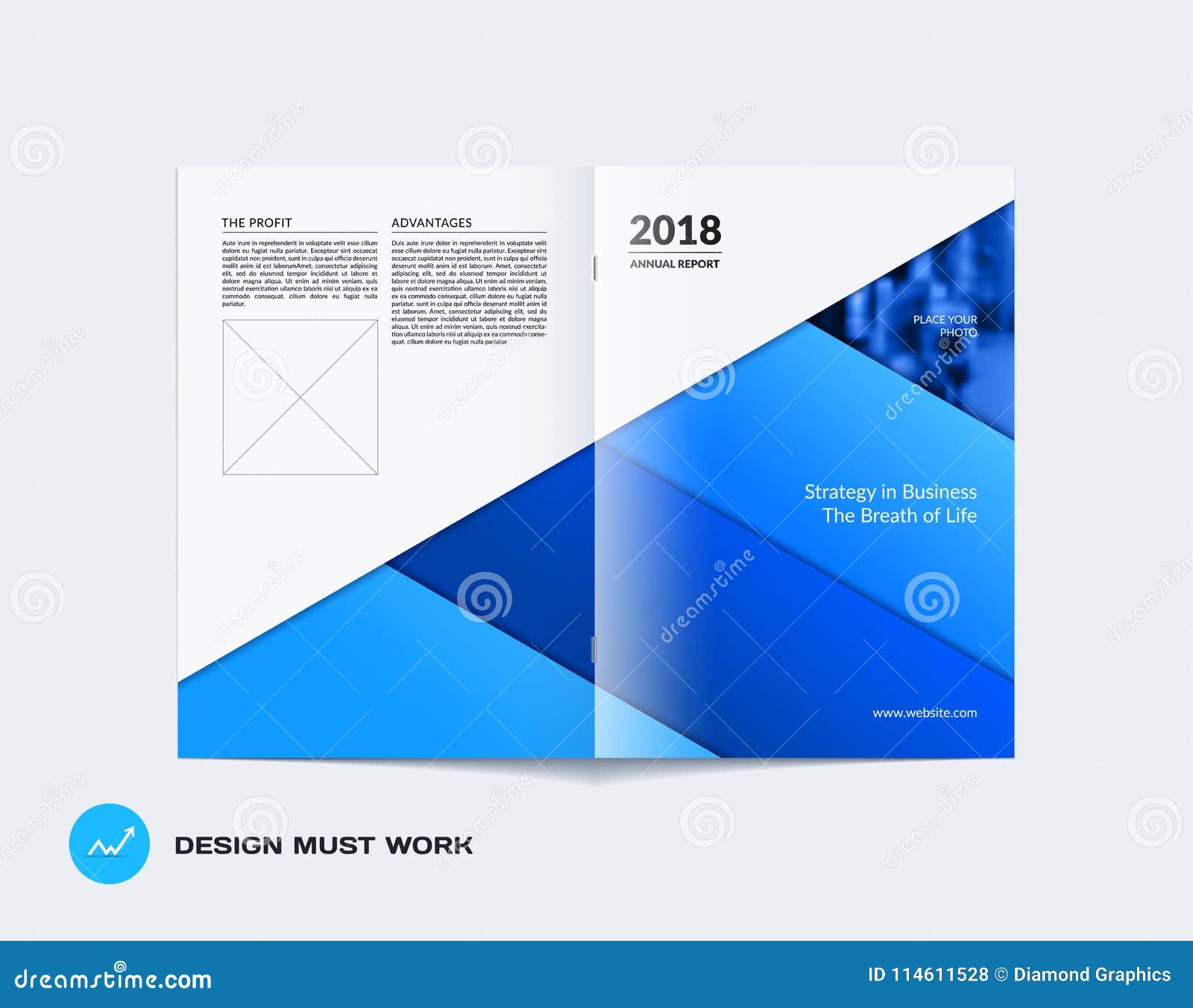
Abstract Colourful Blue Brochure in Material Design Paper Cut Style

Abstract Colourful Brochure Material Design Paper Stock Vector (Royalty

What Is The Best Type Of Paper For Brochure Printing
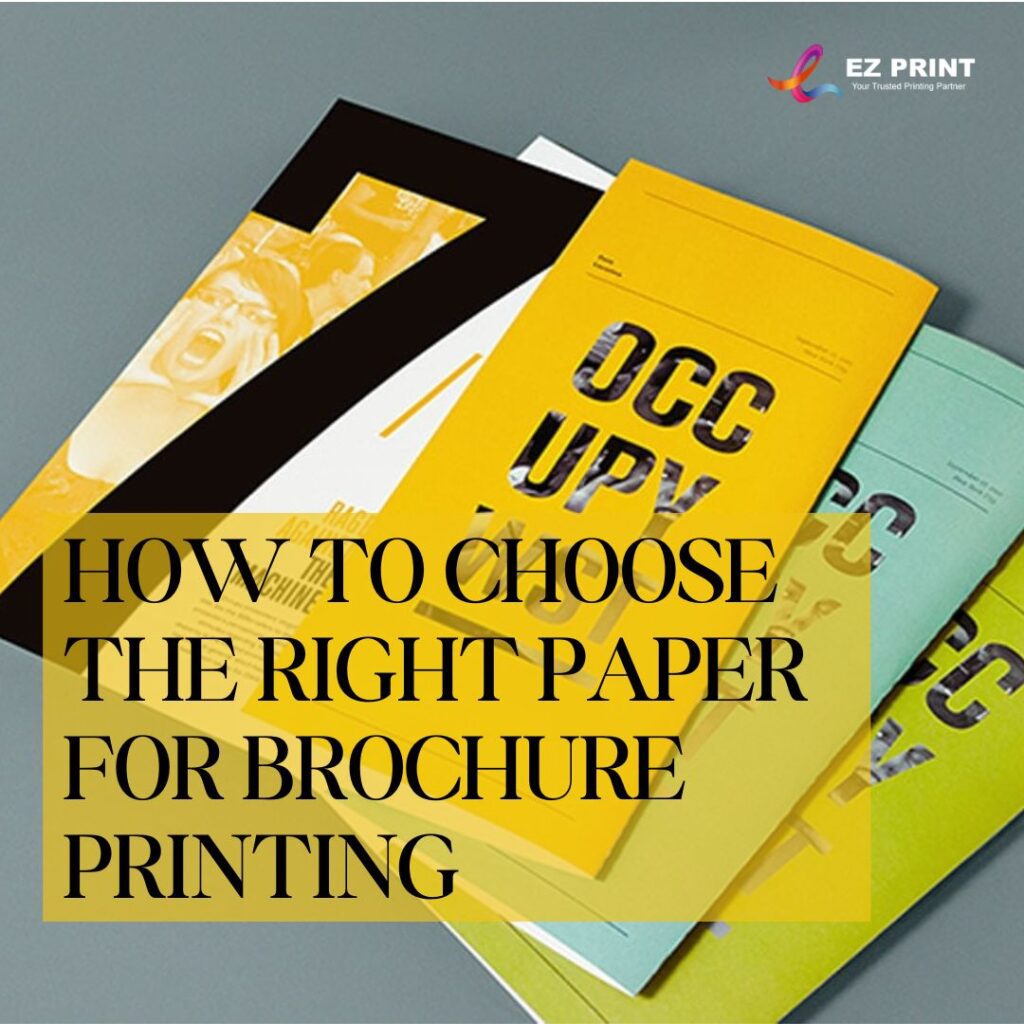
How to Choose the Right Paper for Brochure Printing EZ Print
Read On To Determine What Paper, Weight, And Finish Are Best For You!
Choosing The Best Paper For Printing Brochures Depends On Your Specific Needs, Including The Brochure's Purpose, Desired Aesthetics, And Budget.
As We Explored, Paper Type Directly.
Choosing The Right Paper For Your Brochure Is Essential As It Directly Impacts The Quality And Effectiveness Of Your Marketing Material.
Related Post: