
Hipaa Brochure For Patients
Hipaa Brochure For Patients - Clinician’s guide to hipaa privacy i. The guide focuses mostly on the federal health privacy rule known as. You can also search by keyword for articles. Rules protect the privacy and security of health information and give patients rights to their health information. Hipaa is a federal law regulating the us healthcare system. When this document refers to hipaa, it. • review the “communicating with a patient’s family, friends, or others involved in the patient’s care” guide on the hhs website. Use the filters to sort by discipline or topic. Privacy, security, and electronic health records; Participation in your care is very important. Introduction • what is hipaa? Hipaa’s impact on clinical practice, treatment, referrals. Download resources in pdf and docx format to help you manage your compliance with required hipaa privacy and security rules. Patients only need to sign a hipaa release form when their information is being shared outside of treatment, payment, or healthcare operations. • review the “communicating with a patient’s family, friends, or others involved in the patient’s care” guide on the hhs website. This collection includes patient information handouts that physicians can provide to their patients. § hipaa requires administrative, physical, and technical safeguards to be implemented to address the confidentiality, integrity, and availability of electronic protected health. Patient, you have the following responsibilities to: Provide accurate and complete information about your present. Hipaa (health insurance portability and accountability act of 1996) gives us the right to access our health information. Hipaa’s impact on clinical practice, treatment, referrals. Privacy, security, and electronic health records; Sharing health information with family members and. It’s primarily purpose is to protect the privacy and security of our health/medical information (phi: Describe the basic policies/procedures an entity uses to protect patient information. • review the “communicating with a patient’s family, friends, or others involved in the patient’s care” guide on the hhs website. Replacing the aha's patients' bill of rights, the patient care partnership is a plain language brochure that informs patients about what they should expect during their hospital stay with. Patients only need to sign a hipaa release form when. Learn how to participate in a formal hipaa compliance plan. This law, called the health insurance portability and accountability act of 1996 (hipaa), gives you rights over your health information, including the right to get a copy of your information,. You can also search by keyword for articles. Hipaa establishes standards to safeguard the protected health information (phi). Introduction •. Identify your role in protecting patient information. Patients only need to sign a hipaa release form when their information is being shared outside of treatment, payment, or healthcare operations. Replacing the aha's patients' bill of rights, the patient care partnership is a plain language brochure that informs patients about what they should expect during their hospital stay with. The guide. Patients receiving breast implants have reported a variety of systemic symptoms, such as joint pain, muscle aches, confusion, chronic. Rules protect the privacy and security of health information and give patients rights to their health information. Hipaa is a federal law regulating the us healthcare system. Hipaa does not prevent calls or visits to hospitals by a. When this document. Hipaa establishes standards to safeguard the protected health information (phi). Provide accurate and complete information about your present. This collection includes patient information handouts that physicians can provide to their patients. Hipaa is a federal law regulating the us healthcare system. Hipaa does not prevent calls or visits to hospitals by a. Your health information privacy rights; Describe patients’ rights under the rule. Hipaa is a federal law regulating the us healthcare system. Participation in your care is very important. Identify your role in protecting patient information. This collection includes patient information handouts that physicians can provide to their patients. Patients receiving breast implants have reported a variety of systemic symptoms, such as joint pain, muscle aches, confusion, chronic. Identify your role in protecting patient information. • health information privacy • protected health information ii. Hipaa establishes standards to safeguard the protected health information (phi). Sharing health information with family members and. Participation in your care is very important. Patients only need to sign a hipaa release form when their information is being shared outside of treatment, payment, or healthcare operations. Patients receiving breast implants have reported a variety of systemic symptoms, such as joint pain, muscle aches, confusion, chronic. The guide focuses mostly on. It’s primarily purpose is to protect the privacy and security of our health/medical information (phi: Clinician’s guide to hipaa privacy i. Introduction • what is hipaa? You can also search by keyword for articles. Hipaa does not prevent calls or visits to hospitals by a. Identify your role in protecting patient information. Provide accurate and complete information about your present. § hipaa requires administrative, physical, and technical safeguards to be implemented to address the confidentiality, integrity, and availability of electronic protected health. You can also search by keyword for articles. Patients only need to sign a hipaa release form when their information is being shared outside of treatment, payment, or healthcare operations. Download resources in pdf and docx format to help you manage your compliance with required hipaa privacy and security rules. Use the filters to sort by discipline or topic. Replacing the aha's patients' bill of rights, the patient care partnership is a plain language brochure that informs patients about what they should expect during their hospital stay with. Hipaa (health insurance portability and accountability act of 1996) gives us the right to access our health information. Hipaa does not prevent calls or visits to hospitals by a. This law, called the health insurance portability and accountability act of 1996 (hipaa), gives you rights over your health information, including the right to get a copy of your information,. Introduction • what is hipaa? Sharing health information with family members and. It’s primarily purpose is to protect the privacy and security of our health/medical information (phi: Patients receiving breast implants have reported a variety of systemic symptoms, such as joint pain, muscle aches, confusion, chronic. Hipaa’s impact on clinical practice, treatment, referrals.
Hipaa Compliance

HIPAA Resources Inspired eLearning

HIPAA Compliance Guide Hipaa compliance, Hipaa, Healthcare administration
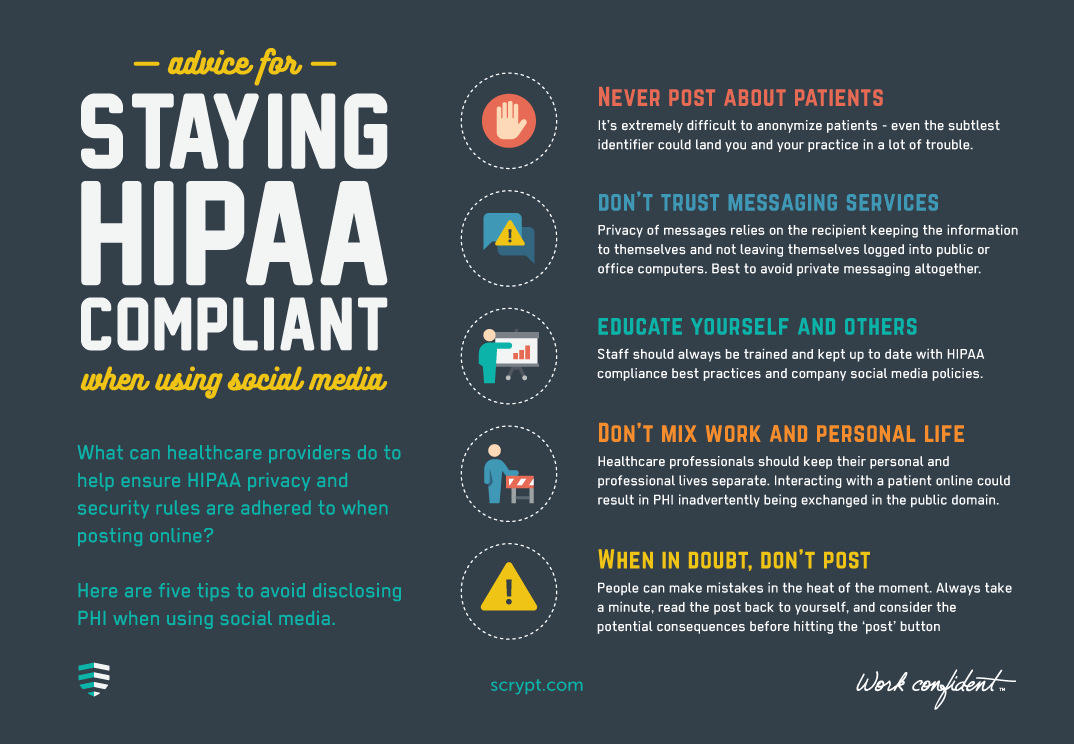
HIPAA Infographic Archives Blog HIPAA
Hipaa Brochure 9 PDF Psychotherapy Health Informatics
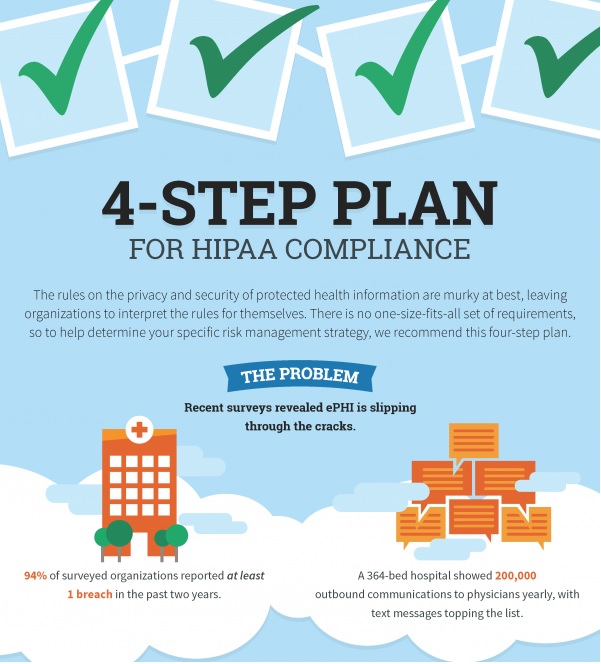
Hipaa Compliance Poster
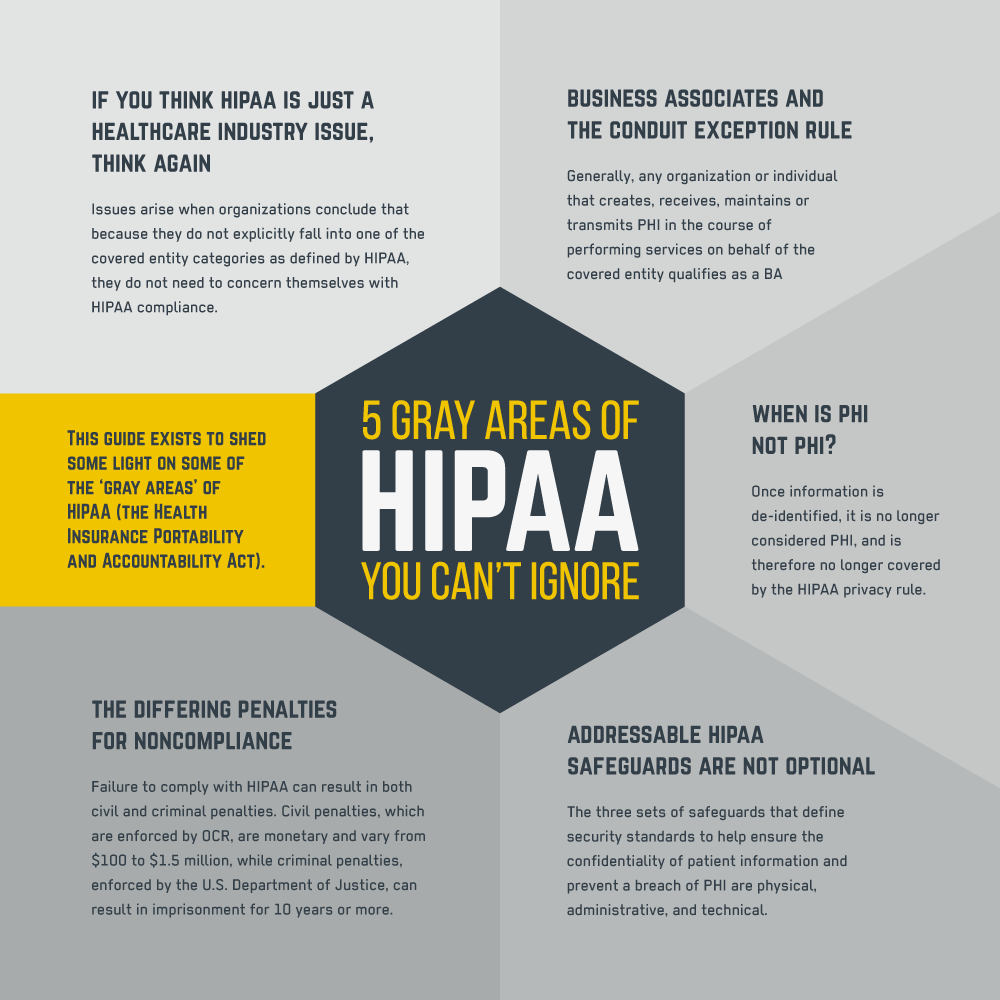
5 Gray Areas of HIPAA Infographic

HIPAA Ready Brochure.pdf

HIPAA Protecting Patient Privacy Poster HIPAA Rules HRdirect

HIPAA Compliance Checklist Preferred Direct HIPAA Compliant Printer
When This Document Refers To Hipaa, It.
This Collection Includes Patient Information Handouts That Physicians Can Provide To Their Patients.
Clinician’s Guide To Hipaa Privacy I.
Privacy, Security, And Electronic Health Records;
Related Post:
