
Wetlands Brochure
Wetlands Brochure - Wetlands are areas that are covered by water or have waterlogged soils for long periods during the growing season. Plants growing in wetlands are capable of living in saturated soil conditions. How can i tell if an area is a wetland? They are transition zones where the flow of water, the cycling of nutrients, and the energy of the sun meet to produce a unique ecosystem. Clean water act, wetlands are areas that must meet three important factors: Wetlands are valuable because they reduce flooding, provide wildlife habitat, help recharge aquifers, and filter polluted water. Many wildlife and wetland conservation practices are available through the nrcs. By safeguarding and restoring wetlands, we reduce the impacts of floods and droughts and build resilience to climate change. They provide unmatched environmental functions and values and. See our other brochure for. Are buffer zones around wetlands. See our other brochure for. Many native hawaiian plant and animal. There are many different kinds of wetlands throughout north america. How can i tell if an area is a wetland? Use the chart of plants inside this brochure as a guide to select species that are ideal for your wetland and native to pennsylvania. Plants growing in wetlands are capable of living in saturated soil conditions. They provide unmatched environmental functions and values and. Wetlands provide numerous benefits, including habitat for flora and fauna, improved water quality, flood abatement, water storage and groundwater recharge, reduced erosion, support of. They are beautiful, easy to maintain, and they attract wildlife. They are transition zones where the flow of water, the cycling of nutrients and the energy of the sun meet to produce a. There are many different kinds of wetlands throughout north america. Wetlands are valuable because they reduce flooding, provide wildlife habitat, help recharge aquifers, and filter polluted water. Wetlands provide numerous benefits, including habitat for flora and fauna,. They provide unmatched environmental functions and values and. They are beautiful, easy to maintain, and they attract wildlife. Wetlands are areas that are covered by water or have waterlogged soils for long periods during the growing season. Wetlands are the link between the land and the water. List of epa wetlands factsheets. Visit your local usda service center or www.nrcs.usda.gov for more information. They are transition zones where the flow of water, the cycling of nutrients, and the energy of the sun meet to produce a unique ecosystem. A wetland is an area that is covered by shallow water or has waterlogged soils for long periods during the growing season in most. See our other brochure for. Visit your local usda service center or www.nrcs.usda.gov for more information. Many native hawaiian plant and animal. By safeguarding and restoring wetlands, we reduce the impacts of floods and droughts and build resilience to climate change. They are transition zones where the flow of water, the cycling of nutrients and the energy of the sun. Clean water act, wetlands are areas that must meet three important factors: Wetlands are the link between the land and the water. A wetland is an area that is covered by shallow water or has waterlogged soils for long periods during the growing season in most years. Numerous bird species use wetlands in hawai‘i for feeding, breeding, and over wintering.. Class i wetlands are exceptional or irreplaceable in their contribution to vermont’s natural heritage. Wetlands are the link between the land and the water. By law, wetlands are defined by the kind of plants that grow in them (such as jewel weed, red maples, or skunk cabbage) and the kind of soils that exist there. Are buffer zones around wetlands.. They are transition zones where the flow of water, the cycling of nutrients, and the energy of the sun meet to produce a unique ecosystem. Wetlands are valuable because they reduce flooding, provide wildlife habitat, help recharge aquifers, and filter polluted water. Unless an area has been altered or. Wetlands are areas that are covered by water or have waterlogged. Wetlands are defined by the kind of plants that grow in them and the kind of soils that exist there. Hydric soils, wetland vegetation, and wetland hydrology. Wetlands on the coasts fill up and drain twice a day because of the tides from the ocean. Wetlands are the link between the land and the water. Wetlands are areas that are. The conservation staff or a. Use the chart of plants inside this brochure as a guide to select species that are ideal for your wetland and native to pennsylvania. See our other brochure for. They provide unmatched environmental functions and values and. Wetlands for resting, immediate refueling, and survival. Are buffer zones around wetlands. Use the chart of plants inside this brochure as a guide to select species that are ideal for your wetland and native to pennsylvania. Wetlands provide numerous benefits, including habitat for flora and fauna, improved water quality, flood abatement, water storage and groundwater recharge, reduced erosion, support of. Many wildlife and wetland conservation practices are. Visit your local usda service center or www.nrcs.usda.gov for more information. Use the chart of plants inside this brochure as a guide to select species that are ideal for your wetland and native to pennsylvania. There are many different kinds of wetlands throughout north america. Unless an area has been altered or. They are transition zones where the flow of water, the cycling of nutrients and the energy of the sun meet to produce a. Many native hawaiian plant and animal. The conservation staff or a. By law, wetlands are defined by the kind of plants that grow in them (such as jewel weed, red maples, or skunk cabbage) and the kind of soils that exist there. A wetland is an area that is covered by shallow water or has waterlogged soils for long periods during the growing season in most years. Wetlands are the link between the land and the water. Hydric soils, wetland vegetation, and wetland hydrology. See our other brochure for. Are buffer zones around wetlands. Wetlands for resting, immediate refueling, and survival. Many wildlife and wetland conservation practices are available through the nrcs. Wetlands are valuable because they reduce flooding, provide wildlife habitat, help recharge aquifers, and filter polluted water.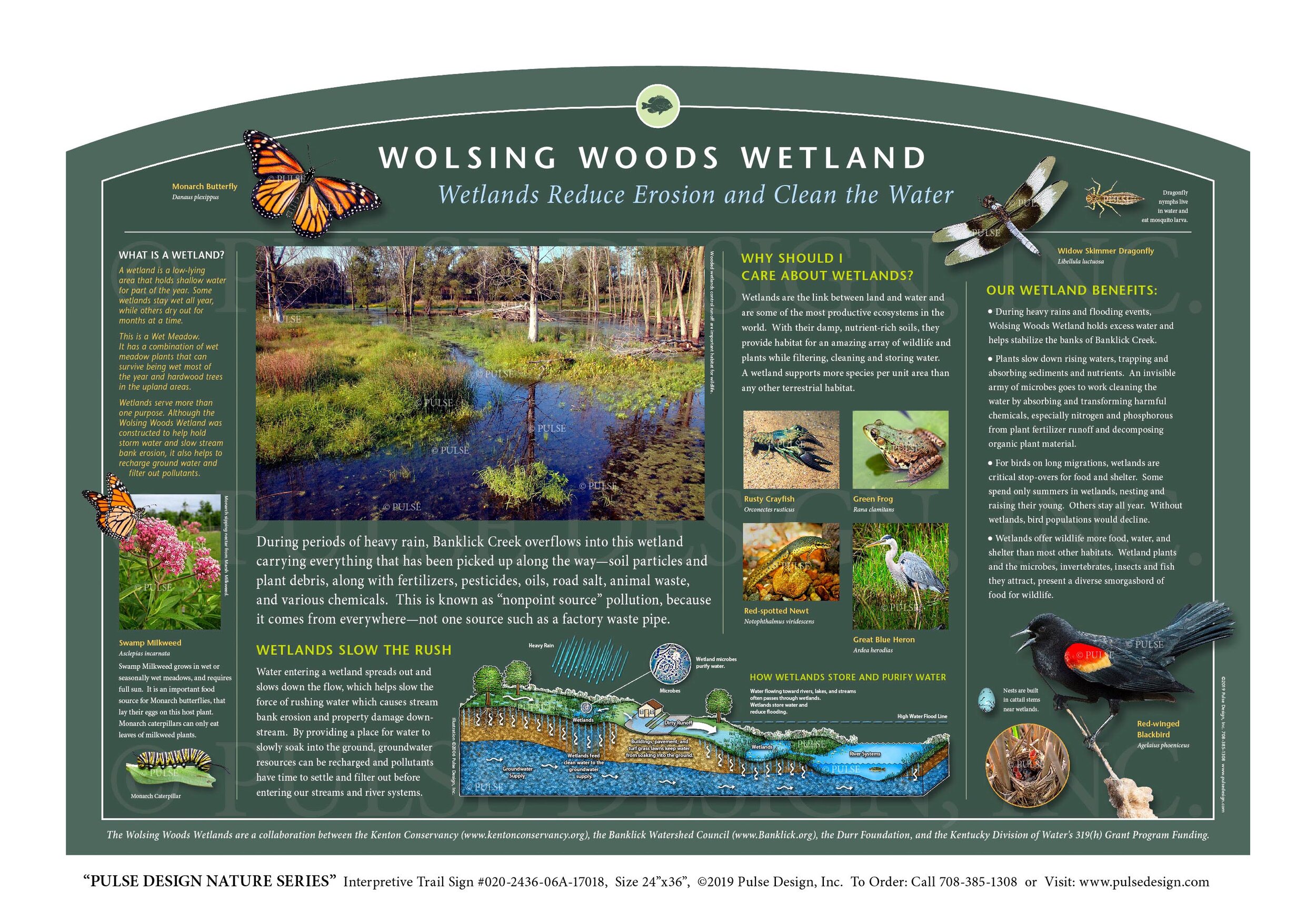
Outdoor Interpretive Sign Wetlands, Reduce Erosion, Clean Water

Wetlands Mitigation Bank Brochure by Todd Thompson at

Wetlands Brochure by Elizabeth Nemeth at

Posters

Wetlands Brochure by Elizabeth Nemeth at

Woody wetlands brochure (PDF, 426K)

7 Toll Dale Farm Site Lyneham Community Association
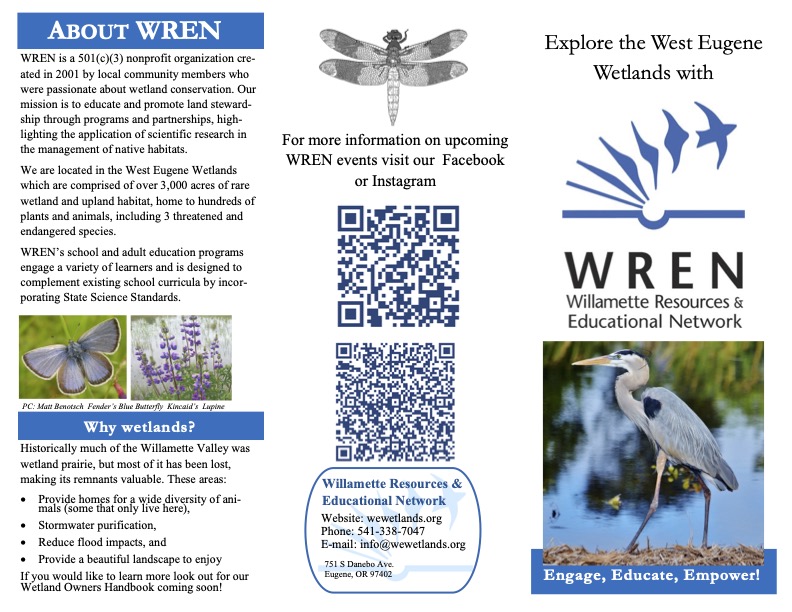
WREN Brochure Willamette Resources and Educational Network

Wetlands Brochure by Elizabeth Nemeth at

Floating Wetland Construction Atlan Stormwater Australia
Class I Wetlands Are Exceptional Or Irreplaceable In Their Contribution To Vermont’s Natural Heritage.
By Safeguarding And Restoring Wetlands, We Reduce The Impacts Of Floods And Droughts And Build Resilience To Climate Change.
Numerous Bird Species Use Wetlands In Hawai‘i For Feeding, Breeding, And Over Wintering.
Wetlands Provide Numerous Benefits, Including Habitat For Flora And Fauna, Improved Water Quality, Flood Abatement, Water Storage And Groundwater Recharge, Reduced Erosion, Support Of.
Related Post: